


Article: A Gift You Never Asked For: Why Cats Bring Home Prey
A Gift You Never Asked For: Why Cats Bring Home Prey
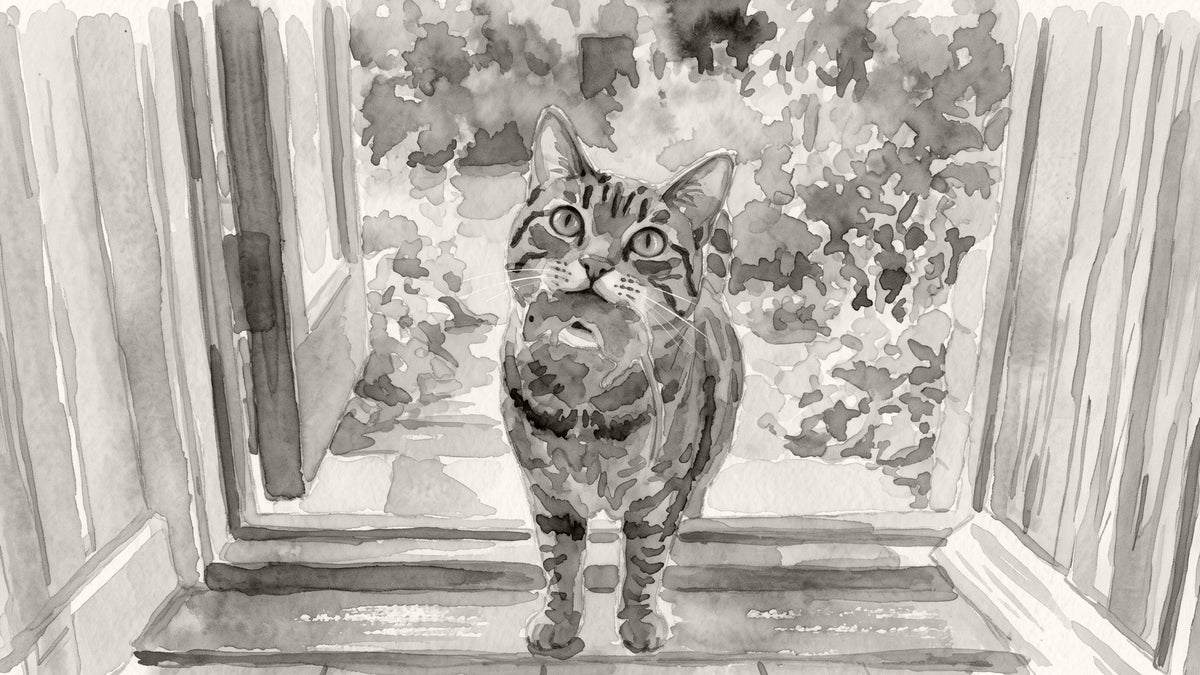
If your cat spends any amount of time outdoors, you may occasionally find small, hunted animals on your doorstep . . . or maybe even in your house if you have a cat door. Of course, indoor kitties that have the chance to hunt mice or other small intruders may also bring you similar tokens. While you may not enjoy the sight, don’t be alarmed – it’s definitely not a death threat from your cat for not providing enough treats. In most cases, it’s love. In some cases, it’s neutral. But it’s never bad. Here are the top reasons your cat is bringing you dead animals.
Wild instincts
When Fluffy proudly deposits a bird at your feet, she’s acting on ancient instincts passed down from her wild ancestors. Even though she might spend most of her time sleeping in the sun and eating the meals you dutifully serve, she’s still closely related to her wilder cousins who were solitary hunters and relied on their prey for survival.
In the wild, cats capture small animals not only for themselves but also to share with their young. While yours may not have kittens to feed, her natural drive to catch and share prey can still be strong. Hunting behaviors are intrinsic to cats, even the most spoiled, and those include stalking, pouncing, and capturing prey, even when it’s something she doesn’t intend to eat.
A gift for you
If Mr. Whiskers brings you a dead mouse and gives you a gentle look, there’s a good chance he’s trying to share a gift. Cats form close social bonds with their humans, and bringing you a fresh catch can be a gesture of affection or care. In the wild, cats in colonies will sometimes share food as a way to reinforce social bonds, and this habit carries over into domestic life.
While it might be an alarming sight for you, he likely sees it as an act of love. Ideally, you should respond with kindness and gratitude until he leaves the scene. Then you can feel free to dispose of it. If you can’t muster the strength to praise the gift, at the very least be sure not to scold him. You won’t be discouraging the natural instinct, but you’ll definitely be damaging your relationship.
A lesson for you
If Muffin leaves a half-alive critter in front of you, it could mean she sees you as needing a few lessons in hunting. Mother cats often bring back prey for their kittens, not only to feed them but also to teach them essential hunting skills. Your own cat may perceive you as her inexperienced companion who could use some guidance in the ways of hunting.
Even if you’re not going to be stalking small game anytime soon, Muffin’s actions show that she’s fulfilling her natural drive to teach. This teaching behavior is typically more pronounced in female cats, but all cats are capable of displaying it as a mark of care.
She wants something
Cats are smart and pick up on cues quickly. If you’ve ever reacted with praise, attention, or even treats when your cat brought home “presents” (and you honestly should), there’s a chance that she’s figured out that this behavior leads to positive responses from you. When Mittens saunters in with her latest catch, she may be hoping for a treat, extra pets, or even some form of admiration.
Likewise, if your immediate reaction to corpse gifts is shock, Mittens might enjoy that excitement just as much and repeat the behavior. While you may not want to encourage the death of small animals in your neighborhood, scolding your cat for bringing you these gifts will not stop the hunting behavior. It’ll just discourage her from sharing them with you, confuse her, and weaken your relationship. But she’ll still hunt.
She’s in charge
Cats are naturally territorial animals and may bring prey to assert their dominance within their space. Bringing prey into their primary territory—your home—can be your cat’s way of reinforcing her role as the hunter and top figure in the space. In the wild, big cats often leave prey around a den area to mark and reinforce their territory, and your domesticated kitty may feel a similar urge to protect her domain.
In his mind, this act strengthens the boundaries of his territory, sending a message to both you and any perceived intruders. This is especially common in multi-cat households or places where outdoor cats might roam, as it’s a way for him to declare, “This space belongs to me and those I protect.” You may not love the idea that he thinks he’s the boss, but he does. Be grateful he lets you stay.

Leave a Comment